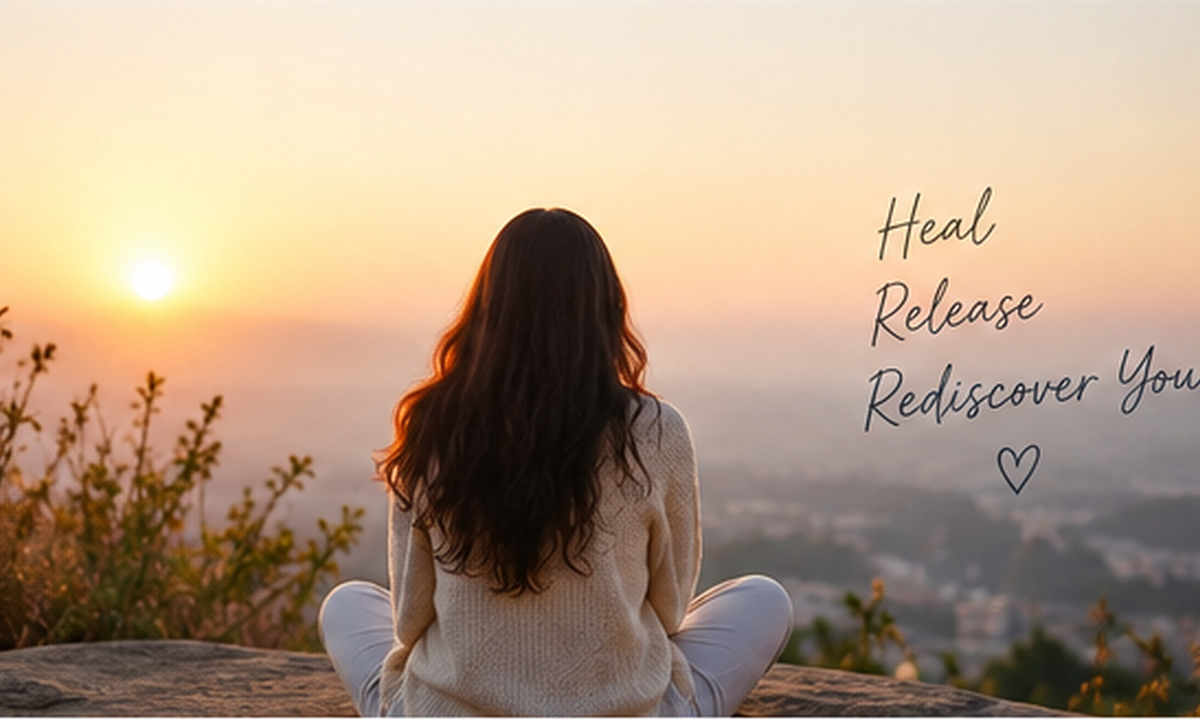
Healing is a process I respect deeply because I have experienced its value in my own life. For me, healing is not about pretending that difficult experiences never happened. It is about noticing what still hurts, giving it thoughtful attention and gradually creating a healthier relationship with our emotions, choices and inner life.
What is healing?
Healing means helping something return toward a healthier state. We can see this physically when the body repairs a wound, but emotional experiences can also leave pain that needs attention. A difficult event may affect confidence, mood, relationships or the way we see ourselves. Emotional healing is the work of acknowledging that impact and creating space for recovery and growth.
Why is emotional healing important?
Unprocessed emotional pain can continue to influence how we think, react and connect with others. In a fast, demanding life, it is easy to keep functioning while ignoring what is happening inside. Healing offers an opportunity to understand those feelings, reduce emotional burden and respond to life with greater awareness.
When might you need emotional healing?
There is no single “correct” time. Persistent sadness, resentment, guilt, fear, self-doubt, overthinking, emotional exhaustion or the sense that you are not fully present in your own life can all be signs that something deserves compassionate attention. You do not need to wait until life feels unmanageable before caring for your emotional well-being.
How can you support your emotional well-being?
People connect with different practices—meditation, yoga, journaling, prayer, Ho’oponopono, breathwork, time in nature, counselling and other forms of support. Choose practices that feel meaningful, safe and sustainable for you. The most helpful approach is usually one you can engage with consistently and honestly.
Healing beyond the immediate moment
For me, healing also has a spiritual dimension. I try to approach life with the understanding that our words, actions and intentions matter. The idea often expressed as “you reap what you sow” reminds me to act with responsibility rather than to make my peace dependent on another person’s response. Taking responsibility for our own choices does not mean accepting blame for another person’s harmful behavior; it means focusing on the part of life we can genuinely influence—our awareness, boundaries, values and actions.
The Ho’oponopono practice
Ho’oponopono is a Hawaiian practice associated with reconciliation, responsibility and restoring harmony. A widely used modern reflective form centers on four simple phrases. I use them as a gentle prompt for self-reflection, forgiveness, gratitude and love:
I am sorry.
Please forgive me.
Thank you.
I love you.
The words are simple, but the intention behind them invites us to slow down and examine what we are holding.
A final note
My hope is that this page encourages you to give your emotional life the same care you would give any other important part of yourself. A happy and satisfying life is not built by avoiding every difficult feeling; it grows when we learn to meet ourselves with awareness, responsibility and compassion.
If you would like to explore Ho’oponopono and mindful emotional healing with me, you can book a consultation on WhatsApp.
Happy reading and happy healing.
Your Relationship Healer,
Aanchal Khare
Note: Relationship Healer sessions are intended for emotional and spiritual well-being. They are not a substitute for medical, psychiatric or psychological diagnosis or treatment. If you are experiencing a mental-health crisis or urgent medical symptoms, please seek qualified professional or emergency support.
Leave A Comment